

Technology

Technology

Technology

Technology

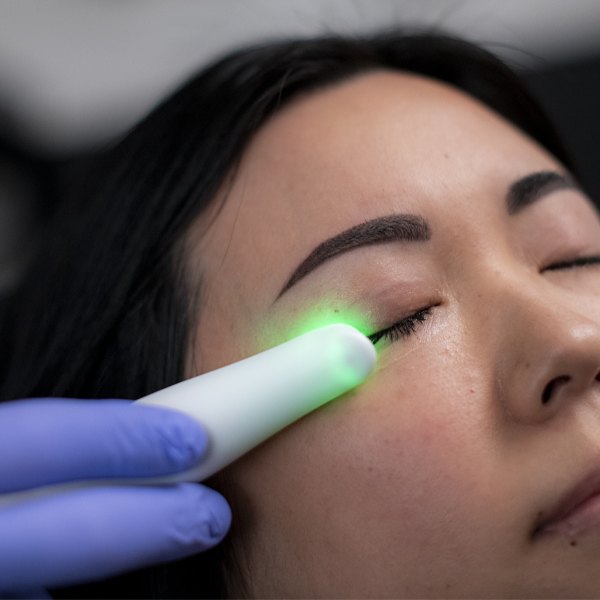
NuLIDS Pro Blepharitis and Dry Eye Treatment
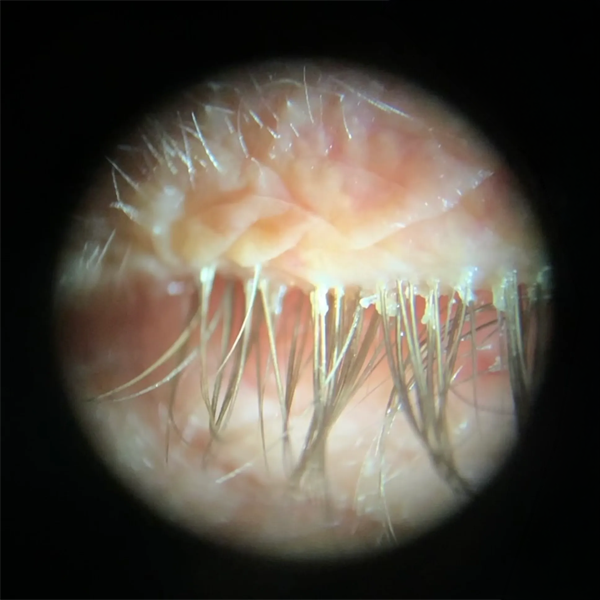
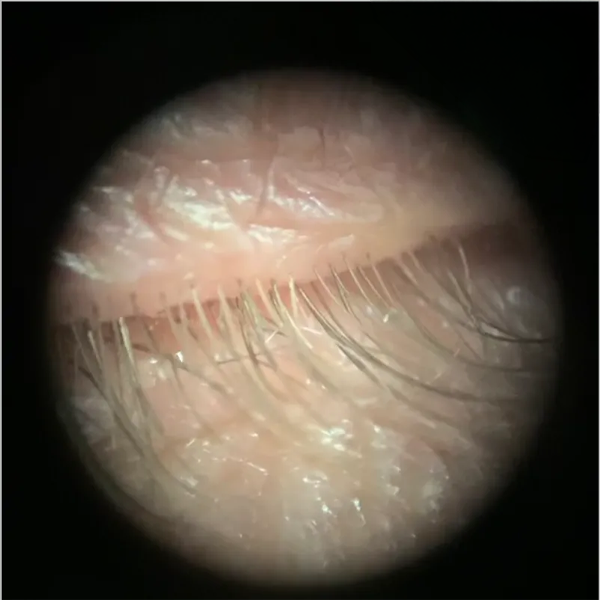
The chemical-free NuLIDS PRO treatment gently exfoliates and stimulates the eyelids in just a few minutes, removing built-up biofilm, scurf, bacteria, and Demodex mites. By clearing blocked Meibomian glands, it restores natural oil flow, reduces inflammation, and keeps your eyes hydrated and comfortable. Maintaining proper eyelid hygiene is essential for preventing dry eye disease, Blepharitis, and Meibomian Gland Dysfunction.
Topcon Corneal Topographer / Dry Eye Imaging
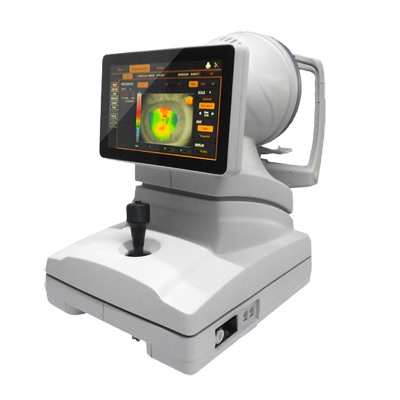
The Topcon Corneal Topographer / Dry Eye Imaging is a comprehensive corneal and anterior ocular surface analyzer and imaging device. It analyzes the cornea for irregularities such as keratoconus and for damage from injuries or eye surgeries. It is also a comprehensive dry eye screening device, providing meibomian gland imaging, tear breakup time analysis, and tear meniscus height. We often use it to evaluate for specialty contact lens fittings such as sclerals or orthokeratology.
Topcon Maestro2

The Topcon Maestro2 is a robotic OCT and fundus camera that captures photos of the retina and a cross section of the retina, macula, and optic nerve. A 3-D wide field screening of the retina is performed for routine evaluation of the retina for patient’s who exhibit high risk to diabetes, glaucoma, macular degeneration, and other sight threatening visual conditions.
Visual field VR

The Virtual Field VR is the newest in high tech equipment in eyecare. It is designed with the patient experience and comfort in mind. The equipment measures the peripheral visual field, which helps to assess for glaucoma, optic nerve damage, diabetic retinal disease, etc. It can also test color vision to assess for red green color blindness.
Optikam Posture Device (OPD)

The Optikam Posture Device is another high tech equipment which measures a patient’s posture, tilt, head position, and other facial metrics to provide a digital assessment of the type of eyeglass lenses to produce for the patient. This allows the optical technician to take custom measurements to the specific frame the patient selects. It takes a total of 10 different measurements that allows us to offer the best visual experience to the patient with superior lens products.
Norwood digital equipment

A suite of vision testing equipment using digital technology to measure a patient’s refraction. A refraction test is performed by an optometrist to check for refractive error and to check if a patient can see better with glasses. It is generally performed using a manual phoropter where lenses are showed in sequence of 1 or 2 and the patient selects the option that is better of the two. A digital phoropter allows the optometrist to show different test patterns using shapes, lines, colors, letters or a combination of all to accurately measure the refraction in a unique way. It takes less time and thus more comfortable from the patient’s perspective.


© 2026 ReEnvision Eyecare. All rights Reserved. Accessibility Statement - Privacy Policy - Sitemap
Powered by:

